


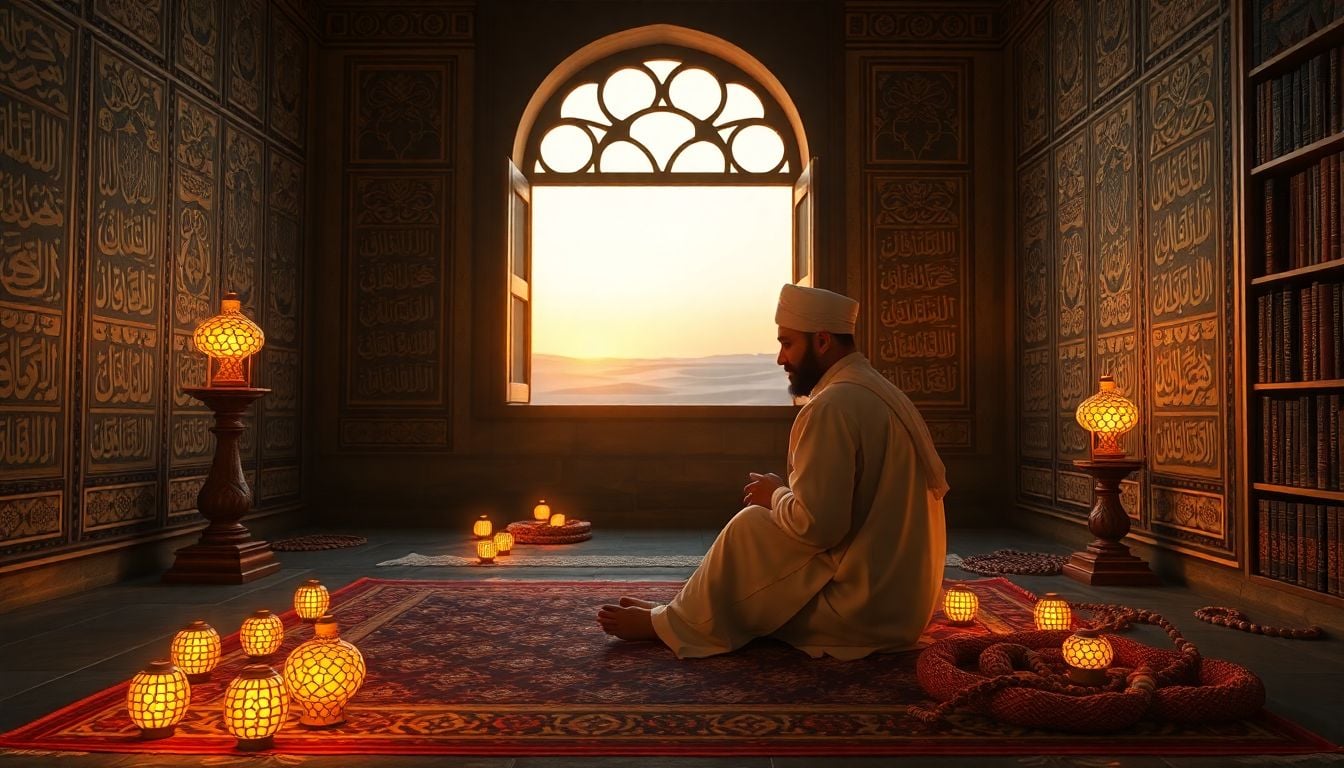
Significance of Rudraksha in Spiritual Practices in Islam
Introduction
Across multiple faiths, spiritual symbols act as bridges to a higher power. They focus minds, deepen devotion, and connect believers with divine energy. As interest grows in cross-cultural spirituality, some Muslims are exploring symbols like Rudraksha beads. Originally linked to Hindu traditions, Rudraksha has a long history of spiritual use. Now, it is gaining attention within Islamic circles, especially among Sufis. Understanding how Rudraksha fits into Islamic spirituality uncovers fascinating stories of cultural exchange and spiritual kinship.
Understanding Rudraksha: History and Traditional Significance
Origins and Cultural Roots of Rudraksha
Rudraksha seeds come from a type of tree found in South Asia, mostly in India and Nepal. These seeds are seen as sacred in Hindu and Buddhist traditions. Legend says that Rudraksha originated from the tears of Lord Shiva—symbolizing compassion, enlightenment, and divine power. Over centuries, believers have used these beads during meditation and prayer to stay focused and connect with the divine.
The Physical and Spiritual Attributes of Rudraksha
A Rudraksha bead usually has multiple lines called mukhis. These lines are believed to influence spiritual energy, especially when worn or used during prayer. The beads come in various sizes, each linked to different spiritual qualities. Their unique texture and structure are thought to help practitioners focus their minds and calm their thoughts during meditation or prayer. This physical form is more than just a seed; it’s a symbol of spiritual energy.
The Presence of Rudraksha in Islamic Spirituality
Cross-Cultural and Interfaith Perspectives
Throughout history, South Asian spiritual traditions have interacted with Islamic culture. Traders, travelers, and scholars exchanged ideas and practices. Some Muslim communities, especially Sufi orders, have shown interest in Rudraksha beads. In areas with diverse populations, these beads became symbols of peace, reflection, and spirituality beyond religious boundaries.
Ritual Use of Rudraksha in Islam
Some Muslim practitioners incorporate Rudraksha beads into their spiritual routines. These beads are not a replacement for Islamic prayer beads (Tasbih or Misbah), but rather an additional tool. Many Muslims see Rudraksha as a means of deepening their focus during meditation or zikr. The beads are often used alongside traditional Islamic practices, emphasizing inner peace and divine connection.
Spiritual Significance of Rudraksha in Islamic Practice
Symbolic Interpretations and Beliefs
In Islamic contexts, Rudraksha is sometimes believed to help strengthen one’s spiritual connection to God. It serves as a reminder of divine qualities like patience, peace, and compassion. Some say that wearing Rudraksha can protect against negative energies and foster inner tranquility, aligning with Islamic teachings about peace and reliance on Allah.
Rudraksha and Sufi Spirituality
In Sufi circles, Rudraksha has been used to aid meditation and zikr—chanting the divine names. Sufi mystics seek a direct experience of God’s presence; Rudraksha is seen as a tool that enhances this pursuit. Certain Sufi orders regard Rudraksha as a symbol of divine love and spiritual awakening, integrating it into their personal practices.
Comparative Analysis with Islamic Prayer Beads
Islamic prayer beads focus on counting repetitions of Allah’s names or attributes, helping maintain concentration. Rudraksha, while similar in purpose, often carries its own symbolism rooted in nature and spiritual energy. Some Muslims find combining Rudraksha with Tasbih helpful, especially in personal meditation. Respecting these traditions ensures spiritual harmony and cultural sensitivity.
Scientific and Spiritual Benefits of Rudraksha
Documented Benefits and Scientific Perspectives
Though mostly rooted in spiritual beliefs, some studies suggest Rudraksha may have calming effects due to its physical texture and feel. Experts say using these beads can help reduce stress, improve concentration, and promote mental clarity. Still, scientific evidence remains limited, so the primary value lies in personal spiritual experience.
Practical Tips for Using Rudraksha in Islamic Practice
- Choose authentic beads from reputable sources to ensure proper spiritual value.
- Use Rudraksha during daily meditation or prayer routines, alongside traditional practices.
- Respect cultural and religious sensitivities—understand its origins and significance before adopting it.
- Combine Rudraksha with Islamic zikr or personal reflection for a balanced spiritual approach.
Conclusion
Rudraksha holds a deep, multifaceted significance that crosses religious borders. Its use in Islamic spirituality reflects a respect for shared human longing for divine connection. When approached with understanding and respect, Rudraksha can enrich personal practice and spiritual growth. Exploring such symbols opens doors to greater spiritual harmony and cultural appreciation. Whether you are a devout Muslim or curious seeker, Rudraksha can serve as a bridge to inner peace and divine love. Keep an open mind, and you may find new paths to spiritual fulfillment through this ancient seed.