


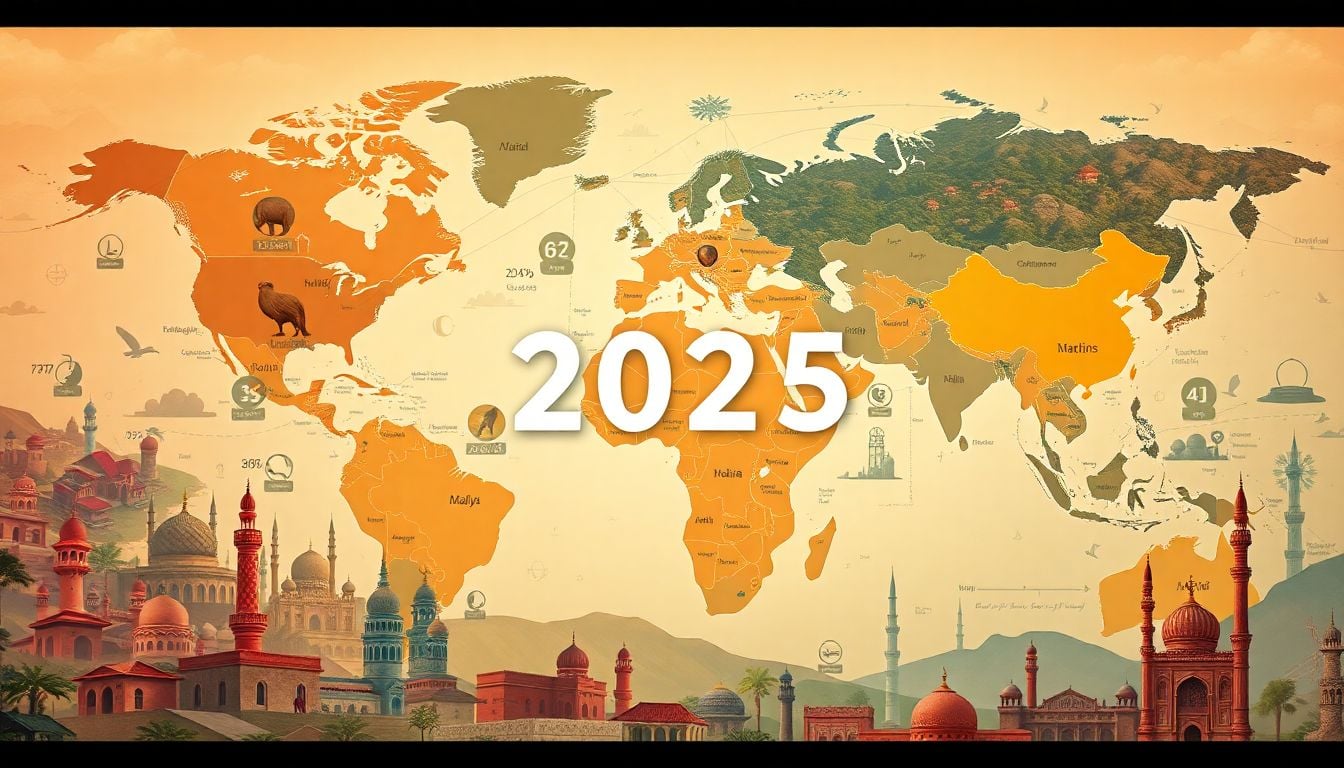
Muslim Countries Population in the World 2025: An In-Depth Analysis
Introduction
Understanding the size of the Muslim population worldwide is more important than ever. These demographic shifts affect everything from politics to business opportunities. As we approach 2025, knowing which countries lead in Muslim populations helps governments, companies, and researchers plan better. This article looks at current trends, growth patterns, and forecasts for 2025, giving you a clear picture of where the Muslim world is headed.
Current Global Muslim Population Overview
Global Muslim Population Statistics
Right now, around 1.9 billion people identify as Muslim. That’s roughly 24% of Earth's total population. Muslims make up the second largest religious group after Christians. Their numbers are growing fast, and they’re spread across all continents.
Population Growth Trends
Muslim populations have increased notably in recent decades. Growth is driven mostly by high birth rates in key countries. Migration also plays a role, bringing Muslim communities to new regions. As a result, many countries see their Muslim share rise.
Geographic Distribution
Most Muslims live in Asia and Africa. Countries like Indonesia, Pakistan, and Bangladesh have huge Muslim populations. Major Middle Eastern countries like Egypt and Iran also have sizable Muslim communities. In the West, Muslim populations are increasing due to migration and higher birth rates.
Major Muslim Countries by Population in 2025
Top Muslim Countries
- India: With over 200 million Muslims, India hosts the world’s largest Muslim minority, even though it isn’t a Muslim-majority nation.
- Indonesia: Leading the pack as the country with the largest Muslim population, with over 230 million.
- Pakistan: Home to approximately 220 million Muslims, making it one of the top Muslim nations.
- Bangladesh: Nearly 170 million Muslims live here, mainly Sunni.
- Nigeria: The largest in Africa, with 95 million Muslims and growing fast.
- Egypt: About 95 million, mostly Sunni Muslims.
Other notable nations include Iran, Turkey, and Algeria. Their populations will likely see moderate increases as the overall growth trend continues.
Insights into Demographics
In these countries, most Muslims are under 30. Young populations mean higher birth rates and a growing workforce. Many live in cities like Jakarta, Karachi, Cairo, and Istanbul, where urban growth is rapid. Rural Muslims still dominate in some areas, but urbanization is reshaping distribution patterns.
Factors Influencing Population Changes in Muslim Countries
Birth Rates and Fertility Trends
Many Muslim countries have fertility rates above the global average. Countries like Nigeria and Pakistan still see around 3 to 4 children per family. Some nations are starting to see declines due to better education and healthcare, but overall growth remains high.
Migration Patterns
Internal migration boosts urban populations, especially in megacities. International migration, mainly from Middle Eastern countries, also influences demographic sizes. Refugees and economic migrants add to Muslim population numbers in countries like Turkey and Jordan.
Policy and Social Changes
Government policies on family planning vary widely. Some nations encourage smaller families, while others promote larger ones for demographic strength. Education and healthcare improvements also impact growth rates by lowering infant mortality and increasing life expectancy.
Challenges and Opportunities for Muslim Countries by 2025
Socioeconomic Developments
Growing populations put pressure on infrastructure, housing, and health services. Yet, these demographics can be a boost for economic growth if managed well. Younger workers can lead to a "demographic dividend" boosting economies in the long run.
Urbanization and Megacities
Urban populations are expanding fast. Cities like Lagos, Cairo, and Karachi are becoming giant metropolises, demanding new roads, schools, and hospitals. Proper planning will be key to avoid chaos and maintain quality of life.
Religious and Cultural Dynamics
Demographic shifts can influence cultural practices and religious traditions. As young Muslims gain influence, they may push for changes in how religion is practiced or integrated into daily life. This can also affect interfaith relations, present both opportunities and challenges.
Future Projections and Expert Insights
Population Forecasts for 2025
Based on current data from organizations like the UN and the World Bank, the Muslim population will grow to about 2.2 billion by 2025. This means adding roughly 300 million new Muslims within just five years.
Expert Opinions and Analyses
Demographers note that African nations and South Asia will see the largest increases. These regions will shape the future of Islam worldwide. Some scholars warn that population growth could challenge resources, education, and health systems if not addressed properly.
Actionable Strategies
Governments should focus on education, healthcare, and economic reforms to handle the growth. For businesses, understanding cultural and demographic trends can open new markets. Investing in community development can make a real difference in these regions.
Conclusion
As 2025 approaches, Muslim populations worldwide are set to increase significantly. Countries with large Muslim communities will face new challenges and opportunities. Policymakers and businesses must stay aware of these trends to adapt and thrive. The future of the Muslim world will be shaped by these demographic changes, impacting global culture and economy alike. Staying informed about these shifts ensures better planning and decision-making for everyone involved.