


The Five Pillars of Islam: A Complete Guide to the Core Principles of Faith
Introduction
The Five Pillars of Islam are the foundation of Muslim life. They guide beliefs, actions, and daily routines. Understanding these pillars helps us see what motivates over 1.9 billion Muslims worldwide. They shape faith and create a sense of community among Muslims from different cultures and regions. Learning about these core practices encourages respect and better intercultural understanding.
What Are the Five Pillars of Islam?
The Five Pillars are the main acts that define what it means to be a Muslim. They serve as a spiritual roadmap for believers and link personal faith with community life. These pillars have roots in the Quran and the teachings of the Prophet Muhammad. Throughout history, they have helped Muslims stay connected to their faith and each other.
Shahada: The Declaration of Faith
Significance of Shahada in Islam
The Shahada is the entrance into Islam. It states, "There is no god but Allah, and Muhammad is His Messenger." This simple phrase holds deep meaning and affirms the Muslim belief in one God. Reciting the Shahada is how someone publicly shows they believe and want to follow Islam.
How Shahada Shapes a Muslim’s Life
Muslims recite the Shahada many times a day to remind themselves of their faith. It’s also spoken during key moments like converting, getting married, or facing death. This declaration acts as a personal contract with God, reaffirming their dedication and trust in Him.
Contemporary Examples of Shahada Practice
Many new Muslims recite the Shahada for the first time during their conversion ceremony. During daily prayers, Muslims often mention the Shahada to reaffirm their beliefs. It’s also part of greetings and calls for prayer, making it a visible part of Islamic life.
Salat: The Ritual Prayer
The Importance of Salat in Islamic Worship
Salat is the key way Muslims connect with God every day. There are five obligatory prayers at specific times. This practice instills discipline and reminds believers of God's presence. It transforms faith into daily action, not just a belief inside the mind.
Components and Procedures of Salat
Before prayer, Muslims perform Wudu, a cleansing ritual to stay pure. They face Mecca and recite specific verses. The prayer includes standing, bowing, and prostrating. Proper technique helps create a focused and respectful worship experience.
Salat in Modern Life
Many Muslims find ways to fit Salat into busy schedules. Prayer apps and mosque visits make it easier. Some workplaces set aside prayer rooms, supporting Muslims in their spiritual routine. This shows how Islamic practice adapts to today’s world.
Zakat: The Almsgiving and Purification
The Spiritual and Social Significance of Zakat
Zakat is a charity Muslims give from their wealth. It’s meant to purify assets and help those in need. It promotes fairness and reduces poverty by redistributing resources. Giving Zakat is a way to clean one's heart and support society.
Calculating and Giving Zakat
Muslims who meet certain financial conditions must give 2.5% of their savings each year. Items like gold, silver, and business inventory count toward Zakat. Accurate calculation ensures fairness and fulfills religious duty.
Impact of Zakat on Society
Zakat has helped communities reduce poverty and build infrastructure. For example, many funds go to schools, hospitals, and aid programs. Experts say Zakat is not just charity but a vital part of Islamic economic principles that strengthen societies.
Sawm: Fasting During Ramadan
Fasting as a Spiritual Discipline
Muslims fast during Ramadan from dawn to sunset. This acts as a spiritual cleanse, building self-control and empathy. Fasting reminds believers of the suffering of the less fortunate and deepens gratitude.
Rules and Practices of Sawm
During Ramadan, Muslims eat a pre-dawn meal called Suhoor and break their fast at Iftar after sunset. Certain people like the sick or travelers can skip fasting. Fasting has health benefits backed by studies, including better mental focus.
Observance Worldwide
Across the globe, Muslims celebrate Ramadan with unique customs. Some wear traditional clothing, others gather in large family meals. During emergencies like pandemics, fasting routines adapt while maintaining their spiritual meaning.
Hajj: The Pilgrimage to Mecca
Significance of Hajj in Islam
Hajj is a spiritual journey that unites Muslims from around the world. It’s a religious obligation once in a lifetime and symbolizes submission to God. The pilgrimage traces the footsteps of Abraham and Muhammad, connecting history with faith.
The Hajj Rituals
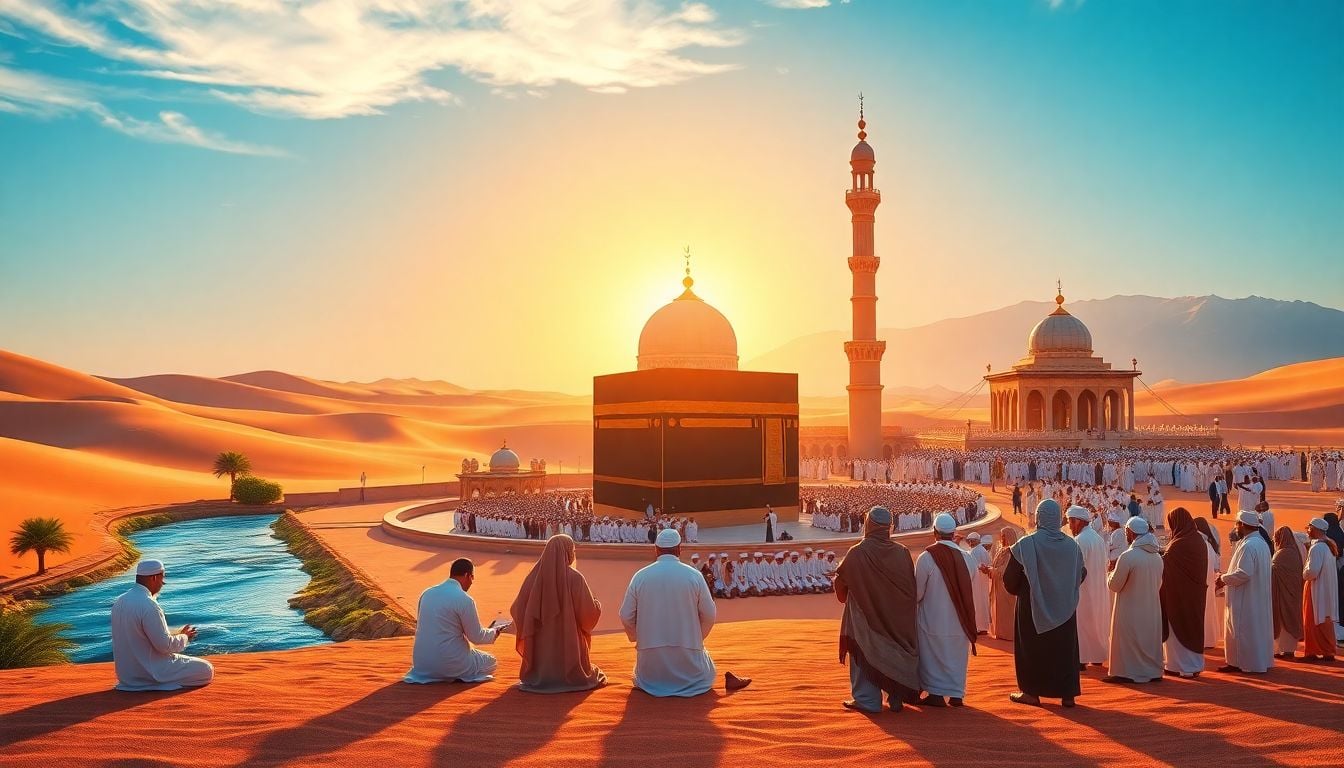
Pilgrims enter the state of Ihram, wearing simple clothing. They circumambulate the Kaaba, run between hills called Safa and Marwa, and stand at Arafat. The journey ends with sacrificing a lamb or goat and celebrating Eid. Preparation is key for a successful Hajj experience.
Impact of Hajj on Personal and Global Scale
Many pilgrims report deep spiritual growth after Hajj. It also boosts local economies and promotes cultural exchange. The collective effort of millions emphasizes unity and peace among Muslims worldwide.
Conclusion
The Five Pillars form the backbone of Islamic life. They help Muslims grow spiritually while strengthening communities. These practices guide believers through daily routines to lifelong commitments. Understanding the pillars promotes respect and harmony among diverse cultures. Learning about these core principles invites us to appreciate the faith’s richness and relevance today. Engage with Islamic teachings respectfully, and you'll gain a deeper view into this vibrant and peaceful tradition.