


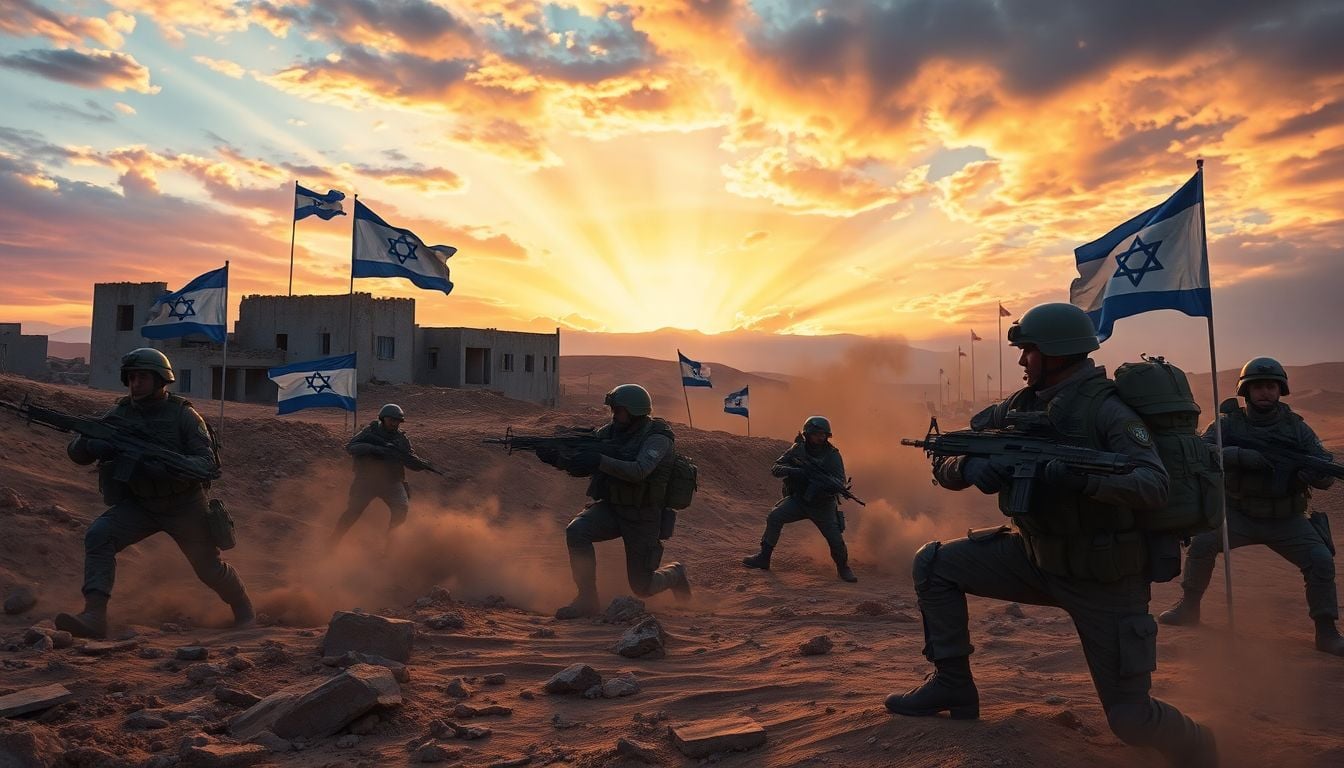
The Complex Relationship Between Israel and Islamic Countries in Conflict
Introduction
The relationship between Israel and many Islamic nations has been tense for decades. This conflict is driven by history, religion, and politics. Understanding what fuels these tensions helps us see the bigger picture of global stability. These conflicts not only affect the Middle East but influence world politics and security.
Historical Roots of Israel and Islamic Country Conflicts
Origins of the Israeli-Palestinian Conflict
Israel was created in 1948, after years of conflict. This led to the first war between Israel and Arab nations. Over time, several wars followed, such as the Six-Day War in 1967 and the Yom Kippur War in 1973. The United Nations tried to help by proposing peace plans, but disagreements kept the conflict alive.
The Role of Religious and Cultural Differences
Jerusalem is holy to Jews, Muslims, and Christians. Each group claims religious ties to the city. These religious beliefs shape their narratives and make peace harder. Many see Jerusalem as a sacred and key part of their identity.
Impact of Colonial Legacies and Modern Borders
European powers drew borders in the Middle East after World War II. These borders split communities and caused new conflicts. Colonial decisions often ignored local histories, making stable borders hard to establish. These legacies are still felt today.
Key Wars and Conflicts Involving Israel and Islamic Countries
The Arab-Israeli Wars
Since 1948, Israel fought several wars with its neighbors. Each war brought changes to land and power. For example, the 1967 war doubled Israel's size. These conflicts created deep hostility and mistrust in the region.
Israeli Conflicts with Neighboring Countries
Israel's battles with Lebanon include conflicts with Hezbollah. Tensions with Egypt decreased after peace treaties, but issues remain. These ongoing struggles affect regional stability and security.
The Role of Non-State Actors
Groups like Hamas and militant organizations have made conflicts more complicated. Hamas controls Gaza and fights Israel often. Iran backs some groups, fueling violence in the region. These non-state actors challenge traditional diplomacy.
Political and Diplomatic Dynamics
Peace Processes and Failed Negotiations
Various talks tried to bring peace, such as the Camp David and Oslo Accords. Many talks failed, often due to disagreements over land or security. Trust between parties remains fragile.
Normalization of Relations
Some countries recently made peace, like through the Abraham Accords. Countries like the UAE and Bahrain normalized relations with Israel. Their goals include economic growth and regional security. But tensions remain elsewhere.
Influence of International Powers
The US and Russia play big roles in Middle East conflicts. Each supports different sides and goals. Their involvement often complicates peace efforts and shifts regional power balances.
Religious and Ideological Factors Influencing Conflicts
Islamic Perspectives on Palestine and Jerusalem
Islamic leaders often speak about Palestine as a holy obligation. Many see defending Jerusalem as a religious duty. Religious events, pilgrimage sites, and statements fuel the ongoing passion.
Israeli Security Concerns and Religious Identity
Israel sees its identity as tied to safety and religion. Its security policies reflect fears of attacks and hostile neighbors. Religious sentiments influence military decisions and border control.
Extremism and Its Role in Escalating Tensions
Extremist groups from both sides increase violence. Hardline ideology and propaganda deepen divides. Efforts to fight radicalization are ongoing but difficult to stop fully.
Current Challenges and Future Outlook
Ongoing Conflicts and Stability Risks
Recent fighting, including Gaza clashes, shows how fragile peace remains. Civilians suffer most during escalations. Ceasefire efforts bring temporary calm but lasting peace is far off.
Prospects for Peace and Diplomatic Solutions
Long-term peace needs trust-building and compromise. International mediators can help, but genuine understanding is key. Grassroots movements and dialogue can make a difference.
Actionable Strategies for Conflict Resolution
Promoting confidence between nations helps reduce tensions. Interfaith talks encourage mutual respect. Reaching agreements on borders and security can stabilize the region.
Conclusion
The conflict between Israel and Islamic countries runs deep. It’s shaped by history, faith, and politics. Lasting peace requires patience, diplomacy, and understanding. Both leaders and ordinary people must work together for a better future. Addressing these issues is vital not just for the region, but for global peace.