


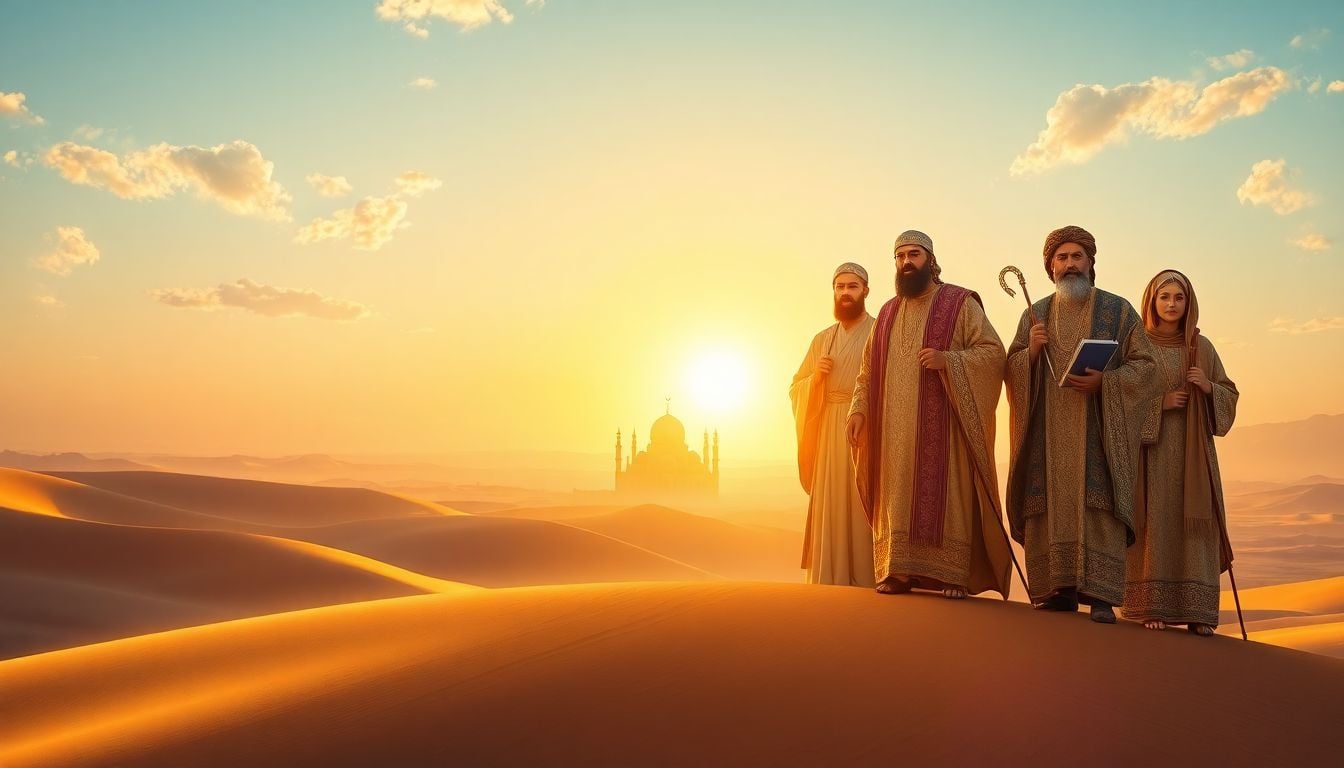
The Prophets That Changed the World in Islamic History
Introduction
Prophets are at the heart of Islamic faith. They are seen as guides sent by God to lead humanity toward righteousness. Their stories have shaped societies, inspired moral codes, and influenced world history. Understanding these figures helps us see how Islamic civilization contributed to the world. Their legacies teach lessons that are still relevant today.
The Prophets in Islamic Theology: Foundations of Faith
Understanding the Concept of Prophethood in Islam
Islam believes in a long line of prophets, called Anbiya. These prophets received divine messages to guide people. Some were messengers (Rusul) sent with new scriptures, others were prophets who reaffirmed existing truths. The Quran refers to many prophets, emphasizing their roles in spreading God's word. Their mission was to remind humans to worship one true God and live justly.
The Significance of Prophets in Shaping Moral and Ethical Values
Prophets played a major role in shaping morality and norms. They taught values like honesty, mercy, and justice. For example, Prophet Muhammad’s sayings (Hadith) highlight charity and kindness. Throughout history, societies adopted laws inspired by prophetic teachings. Their moral lessons continue to guide laws and personal conduct in Islamic communities.
The Prophets Who Changed the World: Key Figures in Islamic History
Prophet Adam (AS): The First Human and Prophet
Adam is considered the first human and prophet in Islam. His story begins with creation by God’s command. Adam symbolizes human origin and divine mercy. His story teaches us about repentance and forgiveness. He reminds us that everyone can seek God's mercy after mistakes.
Prophet Noah (Nuh AS): The Prophet of Persistence and Divine Justice
Noah faced a world filled with corruption. He built the ark to escape the Great Flood. His patience and unwavering faith show us the importance of trust in God. The story reminds us that obedience to God brings protection and justice, even in tough times. This story highlights divine justice and mercy.
Prophet Ibrahim (Abraham AS): The Father of Monotheism
Ibrahim was devoted entirely to worshiping one God. He challenged idol worshipers and showed great faith. Ibrahim’s willingness to sacrifice his son set the stage for many religious rituals, like Hajj and sacrifice. His story inspires Muslims about sacrifice, faith, and sincerity. Ibrahim’s teachings help build bridges between different faiths.
Prophet Musa (Moses AS): The Liberator and Lawgiver
Moses led the Israelites out of slavery in Egypt. He received the Torah, a holy book that laid down laws for justice and morality. His story teaches us about standing up against oppression and fighting for freedom. Muslims see Musa as a prophet who emphasizes social justice and resistance against tyranny.
Prophet Isa (Jesus AS): The Miraculous Messenger
In Islam, Jesus is a revered prophet who performed miracles. He delivered divine messages about compassion and morality. Many mistakenly see Jesus only through the Christian lens, but in Islam, he is a servant of God, not divine himself. His teachings promote peace and understanding. His story fosters interfaith respect and dialogue.
Prophet Muhammad (PBUH): The Seal of Prophets
Muhammad is considered the last prophet in Islam. His life changed the course of history, founding a religion with millions of followers today. His revelations, recorded in the Quran, guide everything from personal morals to social laws. Muhammad’s leadership shows the power of compassion, justice, and diplomacy. His legacy continues to inspire worldwide efforts for peace and justice.
The Legacy of Prophets in Islamic Culture and Society
Prophets as Models of Virtue and Leadership
Each prophet showed qualities worth emulating: patience, honesty, and kindness. These traits influence Muslim leaders even today. Leaders are often compared to prophets to inspire integrity and humility.
Prophetic Teachings and Their Influence on Laws and Social Norms
Prophetic traditions form the basis of Islamic law, called Sharia. They shape standards for justice, charity, and community care. These teachings are used to guide social justice efforts, education, and laws, making society fairer and more compassionate.
The Prophets in Art, Literature, and Interfaith Dialogue
Prophets are often depicted in Islamic art and poetry, celebrating their virtues. Their stories also promote understanding between different religions. Sharing prophetic stories can create bridges across faiths, fostering respect and peace.
Conclusion
Islamic prophets changed the world through their divine missions and moral leadership. Their stories and teachings continue to guide millions today, shaping values, laws, and cultures. Their influence shows that faith and virtue can inspire lasting change. Studying these figures offers not just history but lessons that can lead us to a better future. Reflect on their examples and let their teachings inspire positive change in your life today.