


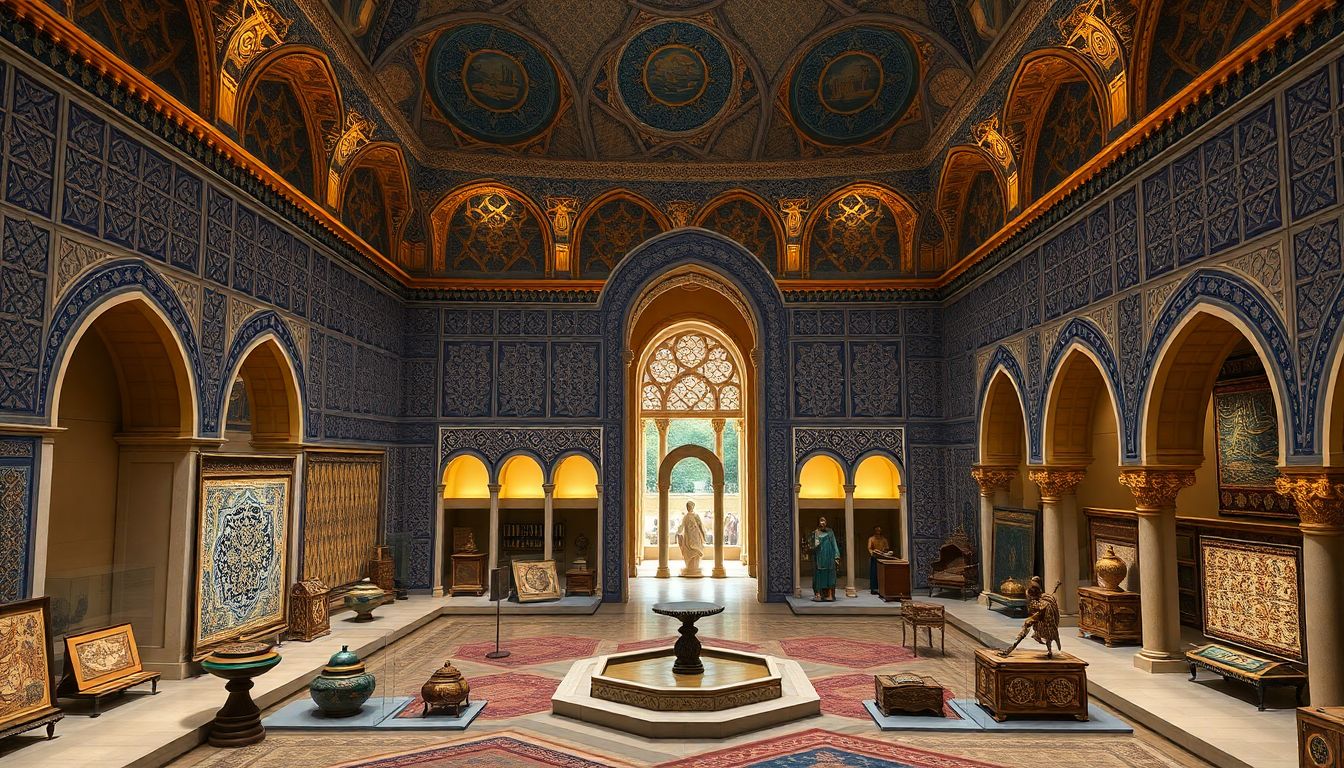
The Metropolitan Museum of Art and Islamic Art: A Comprehensive Exploration
Introduction
The Metropolitan Museum of Art, or the Met, is one of the most famous art museums in the world. It holds thousands of artifacts from around the globe, including a vast collection of Islamic art. This extensive collection helps visitors learn about Islamic cultures and their artistic achievements. Exploring this part of the Met offers a window into centuries of history, religion, and craftsmanship. Understanding Islamic art in a Western museum like the Met is important because it shows respect for diverse cultures and promotes cultural exchange. The museum plays a key role in preserving Islamic heritage and educating the public about its beauty and significance.
The Metropolitan Museum of Art's Islamic Art Collection: An Overview
Scope and Size of the Collection
The Islamic art collection at the Met is large and diverse. It features thousands of pieces from many regions, including North Africa, the Middle East, Central Asia, and parts of Spain. The collection spans over a thousand years, from early Islamic civilizations to the Ottoman Empire. Important periods represented include the Umayyad, Abbasid, Ottoman, and Safavid dynasties. These artworks reflect the wide reach of Islamic culture and its artistic evolution over time.
Collection Highlights and Notable Exhibitions
Some of the most famous artifacts include elegant Chinese ceramics, intricate Persian manuscripts, and richly decorated Ottoman textiles. The collection’s highlights are often displayed in special exhibitions that bring more attention to Islamic artistry. For example, exhibitions on Islamic metalwork or calligraphy have attracted many visitors. These shows helped the Met raise the profile of Islamic art as a vital part of world history.
Historical Development and Acquisition of Islamic Art at the Met
Origins of the Collection
The museum’s Islamic art collection started early in its history. The first pieces arrived through donations and purchases from collectors interested in Islamic culture. Early acquisitions focused on showcasing beautiful objects and key examples of Islamic craftsmanship. Over time, the collection grew steadily, reflecting the museum’s desire to tell a complete story of Islamic civilization.
Growth Through Donations and Purchases
Major benefactors and collectors played a big part in expanding the collection. Notable figures included wealthy patrons and diplomatic gifts. The Met also bought important pieces at art fairs and auctions. This strategy faced challenges, especially with fragile items and questions about legal ownership. Still, the museum’s dedicated team worked hard to acquire and preserve key objects.
Preservation and Conservation Efforts
Conservation is vital for keeping Islamic artifacts in good shape. The Met uses special techniques like climate control, cleaning, and restoration. Restorers carefully repair broken pieces and clean delicate surfaces without damaging them. The museum also supports scholarly research by documenting each object’s history and details to understand its significance better.
Key Themes and Features of Islamic Art in the Museum
Artistic Elements and Styles
Islamic art is known for its beautiful calligraphy, intricate geometric patterns, and delicate arabesques. These motifs often symbolize spiritual ideas and reflect a quest for harmony. Different regions produced unique styles, but many artworks share common themes of balance and symmetry. These designs create a sense of eternal beauty and order.
Materials and Techniques
Islamic artists worked with many materials, including ceramics, textiles, metals, and paper. They invented new techniques like glazing ceramics or creating detailed manuscript illuminations. These innovations made their craft stand out. Every object tells a story of skill and creativity, whether it’s a finely woven carpet or a decorated metal bowl.
Cultural and Religious Significance
Islamic art often served religious, decorative, or everyday purposes. Calligraphy, particularly verses from the Quran, played a key role in religious settings. Many artworks carry symbolic meanings, like the use of geometric designs to suggest divine perfection. Art also expressed cultural identity and social status, making objects more than just beautiful—they're steeped in symbolism and spirituality.
Impact and Educational Initiatives
Public Education and Outreach
The Met offers guided tours, lectures, and online resources focusing on Islamic art. These programs aim to make Islamic history accessible and engaging. The museum often collaborates with cultural organizations and universities to develop new educational initiatives. Visitors gain a deeper understanding of Islam’s artistic and cultural diversity.
Research and Scholarship
The museum publishes catalogs and hosts conferences about Islamic art. These efforts support academic research and foster new interpretations. Scholars from different backgrounds work together to uncover new insights. The Met’s commitment to scholarship helps keep Islamic art in the spotlight and encourages fresh perspectives.
Engagement with Diverse Audiences
The Met works to include Muslim communities and general visitors through special programs and exhibits. Interactive displays and storytelling help make Islamic art relatable. Promoting intercultural dialogue is key to fostering mutual respect and understanding through art.
Challenges and Future Directions
Ethical Considerations
Provenance issues and debates about artifact repatriation challenge museums today. The Met is careful to ensure objects are acquired ethically. It also respects the cultural sensitivities around Islamic artworks, especially those that are sacred or historically disputed. Transparency and respectful handling are vital.
Expanding the Collection
Including contemporary Islamic art and artists is a growing focus. New pieces reflect modern life and creative expression within Islamic cultures. Digitalization of collections grants more people access online. Virtual tours and high-resolution images help break down barriers and expand global reach.
Enhancing Accessibility and Inclusivity
Innovative exhibition spaces and interactive displays make Islamic art more inviting. The Met continuously seeks to improve how visitors experience these collections. Education programs aimed at diverse audiences help foster a broad appreciation of Islamic cultural heritage.
Conclusion
The Met’s Islamic art collection holds a prominent place in world cultural history. It allows us to explore the rich artistic traditions of Islamic civilizations and appreciate their beauty. As the museum continues to grow and adapt, it plays a vital role in fostering understanding and respect across cultures. Visiting this collection offers a chance to see the deep connections between art, faith, and human creativity. Explore the Met’s Islamic art today and support efforts to preserve this priceless heritage for future generations.